


Meal prep 3 min read
A packed-lunch setup that travels

In this guide

A packed lunch has to work beyond the kitchen. The food needs to fit the container, the container needs to fit the bag, and the meal should still be pleasant when you open it. Start with the journey and serving conditions rather than buying the largest container set.
Plan how lunch will be eaten
Decide whether the meal will be eaten cold or reheated, and whether a suitable refrigerator and microwave will be available. USDA recommends an insulated bag with at least two cold sources for perishable lunches. A sealed box alone does not control temperature.
Pack the utensils the meal actually needs. A soup and a salad may share ingredients but require different tools and different containers. If lunch is eaten away from a sink, include a place for the used utensil and empty dressing pot so they do not leak onto other belongings.
Separate textures deliberately
Keep crisp toppings and wet ingredients apart when you want them to stay distinct. Dress a small test portion if you are unsure how the salad will hold. A separate sauce container also lets the person eating choose the amount instead of inheriting a fully coated meal.
Match container capacity to a realistic portion rather than filling every available compartment. Leave the space required by the container's instructions, especially for freezer use. A flexible bag can suit some foods, while a rigid box gives crushable ingredients more protection during transport.
Rehearse the packing sequence
Check lids on empty containers before the first busy morning. Put the assembled lunch into the actual bag and see whether it remains upright. Label anything that needs a particular reheating or serving step, and keep the relevant container directions available rather than guessing from its appearance.
Prepare perishable components with prompt refrigeration, then pack them from cold storage at the appropriate time. Wash and fully dry containers and seals after use before returning them to the lunch station. A small collection of reliable matching pieces is easier to manage than a drawer of almost-fitting lids.
Tools to consider
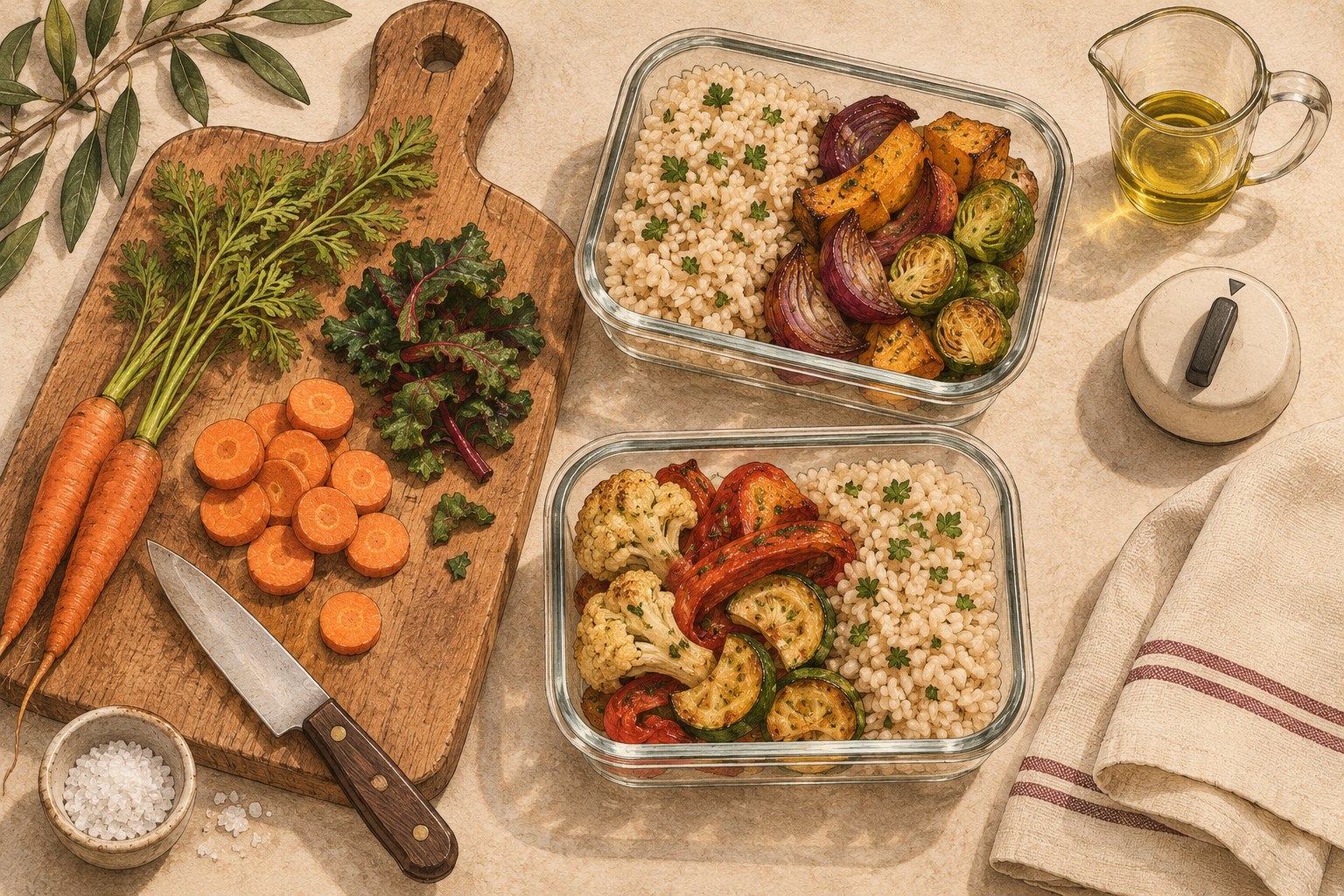
Matching rectangular containers can organize measured portions and stack within a lunch setup.
Consider before buying: Follow the particular lid directions for reheating and verify that the container fits the bag.
The reusable silicone bag provides a flexible option for suitable lunch components.
Consider before buying: It does not protect crushable food like a rigid box and needs careful seal cleaning.
A few practical questions
Does a leak-resistant container replace an insulated lunch bag?
No. Preventing spills and maintaining food temperature are separate jobs. Choose a food-safe transport plan suited to the ingredients and the time away from refrigeration.
Put it to work
Lemony white bean skillet · Garlicky mushrooms on toast
Product information & sources
Recommendations are based on published product specifications and practical fit for the task. Check the exact model, seller, dimensions and care instructions before ordering.
Pinterest image
Keep this guide close for your next kitchen project.
